The short answer
Muscle growth is similar across a wide range of loads, from about 6 to 30 reps per set, as long as the sets are taken close to failure. Heavier loads build more maximal strength. Most people do well with a middle range of 6 to 15 reps, and heavier sets on the main lifts.
The 8 to 12 rep myth
The classic “8 to 12 reps for size” is a convenient middle ground, not a magic zone. Lighter and heavier sets also build muscle when the effort is high enough.
What the research says
A 2017 meta-analysis by Schoenfeld and colleagues compared low-load and high-load training. Muscle growth was similar between the two, while strength gains favoured heavy loads. The key condition was effort: sets were taken to or close to failure.
Effort is what counts
A set of 15 reps stopped at 10 easy reps does little. Aim to finish most working sets with one to three reps left in reserve. If you could have done many more reps, the set is too light for its rep target.
A practical split
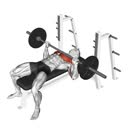
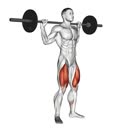
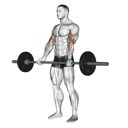
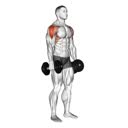
On big compound lifts, use heavier sets of 5 to 8 reps: they build strength and are easier to keep clean. On isolation exercises, 10 to 20 reps is often more comfortable for the joints. Mixing ranges in the same week works well.
Track it to see it
Log the weight and reps of every set. When you reach the top of your rep range with reps in reserve, add weight. That record is what turns “close to failure” into steady progress.
Put it into practice
About this guide
STARK editorial guide. Examples explain how to use the library and record training; they are not individual coaching.
Training principles: Schoenfeld et al. (2017), Journal of Strength and Conditioning Research.
The session examples come from the STARK program catalogue linked above.