The short answer
Muscle gain comes from three things together: training that gets progressively harder, enough protein (the ISSN suggests about 1.4 to 2.0 g per kg of body weight per day for most active people), and enough energy, usually a small calorie surplus. Track your training and your body weight to see whether it is working.
Training comes first
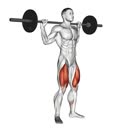
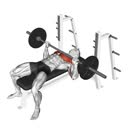
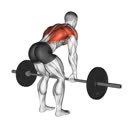
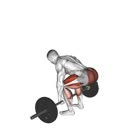
Food alone does not build muscle. You need a programme that trains each muscle regularly and gets a little harder over time: more reps, then more weight. Pick a plan you can follow for several months and log every session.
Protein: how much?
The International Society of Sports Nutrition’s 2017 position stand suggests about 1.4 to 2.0 g of protein per kg of body weight per day for most people who exercise. Spreading it across three or four meals is a practical way to reach it. People with a medical condition should check with a health professional.
Calories: a small surplus
To gain muscle without gaining too much fat, aim for a modest surplus rather than eating as much as possible. In practice, a slow, steady rise in body weight over the weeks is the sign that energy intake is sufficient. If the scale does not move for several weeks, eat a little more.
Sleep and recovery
Muscle is built between sessions. Regular sleep and rest days are part of the programme, not a break from it. If performance keeps dropping, look at sleep and stress before adding more training.
Measure what matters
Weigh yourself under the same conditions several times a week and look at the trend, not a single day. In your training log, check that your main lifts are going up. Both together tell you whether the bulk is working.
Put it into practice
About this guide
STARK editorial guide. Examples explain how to use the library and record training; they are not individual coaching.
Training principles: Jäger et al. (2017), ISSN position stand: protein and exercise.
The session examples come from the STARK program catalogue linked above.