The short answer
No. No study has shown that properly supervised strength training stunts growth. Organisations such as the NSCA consider it safe and beneficial for children and teenagers when it is supervised, with technique first and gradual loads. Injuries in young people mostly come from poor technique, unsupervised maximal attempts or misused equipment.
Where the myth comes from
The fear is that lifting damages the growth plates, the areas of bone that grow. The injuries reported were mostly accidents with equipment at home, without supervision, not structured training.
What the research says
The NSCA position statement (Faigenbaum et al., 2009) concludes that a well-designed, supervised program is safe for young people and improves strength, bone health and sports performance. Sports such as football or gymnastics put far higher forces on the body.
From what age?
As soon as a child can follow instructions, often around 7 or 8, with playful bodyweight exercises. Load comes later, as technique improves.
The rules for teenagers
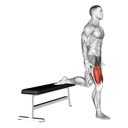
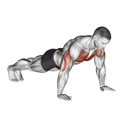
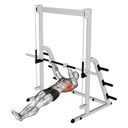
Qualified supervision, technique before load, controlled sets of 6 to 15 reps, no maximal attempts at first, and two or three sessions a week with rest days in between.
And growth itself?
Height depends mainly on genetics, nutrition and sleep. By loading the bones, strength training tends rather to improve bone density.
Put it into practice
About this guide
STARK editorial guide. Examples explain how to use the library and record training; they are not individual coaching.
Training principles: Faigenbaum et al. (2009), NSCA position statement on youth resistance training.
The session examples come from the STARK program catalogue linked above.