The short answer
A bulk is a period of slight calorie surplus to build muscle; a cut is a period of calorie deficit to lose fat while keeping muscle. Training stays much the same; what changes is how much you eat. Beginners can often gain muscle while losing a little fat (body recomposition) by eating around maintenance with plenty of protein.
The bulk
Eat slightly more than you burn, about 5 to 10 % above maintenance. Iraki and colleagues (2019) suggest a weight gain of around 0.25 to 0.5 % of body weight per week; experienced lifters should stay at the low end.
The cut
Eat less than you burn to lose about 0.5 to 1 % of body weight per week, keep training heavy and eat more protein. The weight loss guide gives the details.
Which one first?
New to lifting or with fat to lose: eat around maintenance with high protein, recomposition is realistic. Already lean with stalled progress: a moderate bulk. Uncomfortable with your body fat: a cut first.
The trap of the big bulk
A large surplus does not build muscle faster; it mostly adds fat that you will have to lose later. Aim for a slow, steady gain.
Track both numbers
Follow your weekly average weight and your lifts. In a bulk, your lifts should go up; in a cut, they should hold.
Put it into practice
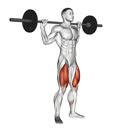
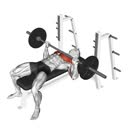
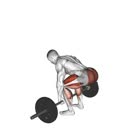
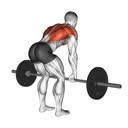
About this guide
STARK editorial guide. Examples explain how to use the library and record training; they are not individual coaching.
Training principles: Iraki et al. (2019), Sports — nutrition recommendations for bodybuilders in the off-season.
The session examples come from the STARK program catalogue linked above.